

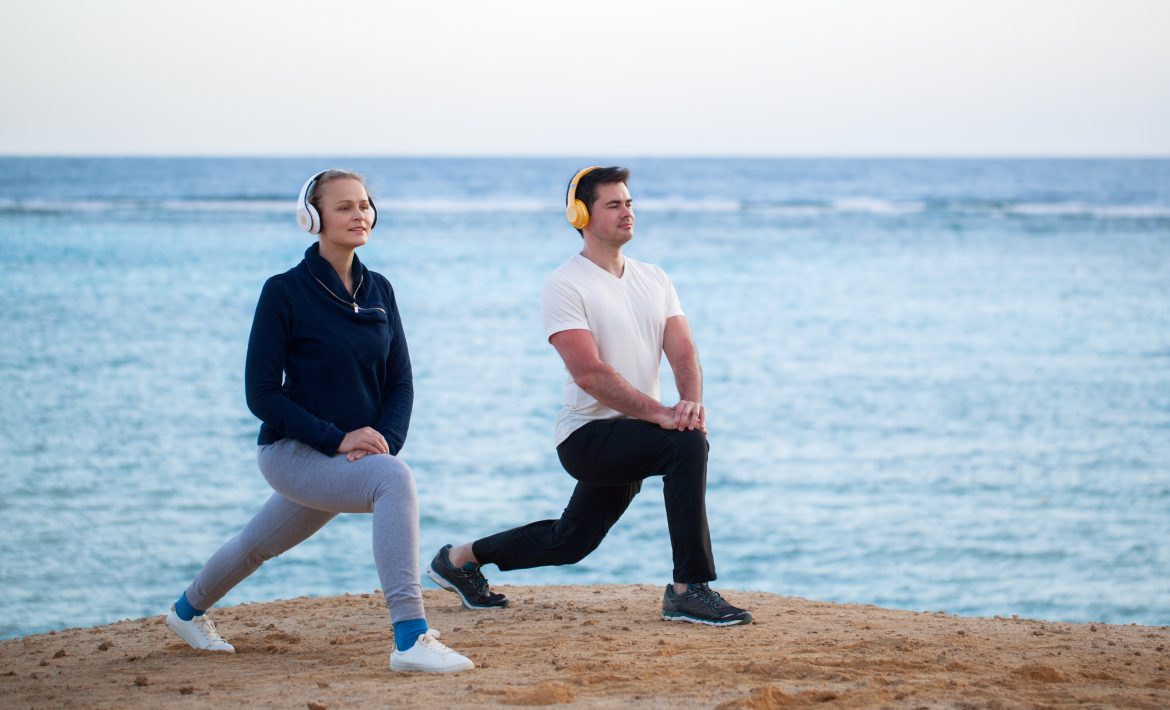
Managing an eating disorder often involves complicated emotions about food and exercise. For some, exercise can become a form of control or punishment, while food may feel overwhelming or restrictive. Rebuilding a balanced, healthy relationship with both is a critical part of the recovery process and essential for mental and physical well-being.
Understanding the Connection Between Food, Exercise, and Eating Disorders
Food and exercise are often closely linked in eating disorders. Many individuals use exercise to compensate for food intake, while others develop rigid rules about what, when, or how they eat. This creates a cycle where food and movement become sources of stress rather than nourishment or joy. Overexercise can lead to physical and emotional burnout, while food anxiety may trigger guilt or fear, making it harder to meet nutritional needs.
Breaking this cycle requires a shift in mindset and habits. Instead of seeing exercise as a way to burn calories or “earn” meals, it’s important to view movement as a way to support your body. Similarly, food should be seen as fuel and pleasure, not something to fear or control.
Rebuilding a Balanced Relationship
Healing your relationship with food and exercise starts with redefining their roles in your life. Exercise should focus on how it makes you feel, not how it changes your body. To begin rebuilding this balance:
- Choose activities you genuinely enjoy, like walking, yoga, or swimming.
- Start small with gentle movement if you’re recovering from overexercise, and allow your body to rest as needed.
- Prioritize joyful movement over performance or calorie goals.
Similarly, reshaping your view of food is essential. Food is not just fuel; it’s a source of nourishment and enjoyment. Shifting away from restrictive patterns can help you approach eating with curiosity and self-compassion. Working with a registered dietitian can provide personalized guidance, offering tools to support your nutritional needs while building a positive relationship with food.
The Emotional Side of Recovery
Emotions play a significant role in disordered behaviors around food and exercise. Feelings of anxiety, shame, or perfectionism often drive harmful habits, making emotional awareness a key part of recovery. Journaling can be an effective way to process these feelings. Writing down your experiences with food and exercise may help you identify triggers and patterns, giving you a clearer understanding of where you can make changes.
Tips for Progress
Making progress in recovery takes time, but small, consistent efforts can lead to meaningful change. Here are some tips to guide you:
- Set boundaries around harmful influences, such as media that promotes unrealistic body ideals.
- Celebrate small victories, like enjoying a meal without guilt or choosing rest over exercise when your body needs it.
- Focus on progress, not perfection, and remember that recovery is a journey, not a race.
Finding Peace in Balance
Rebuilding your relationship with food and exercise is about self-compassion and care. By focusing on nourishment, joyful movement, and emotional growth, you can create a sustainable connection with both that enhances your well-being. With patience and support, it’s possible to move toward a balanced life that celebrates health and self-love.